GRAPHICS-FOR-WEBSITE

Eye Protection: How to Choose the Right Safety Eyewear

Selecting the right eye protection is critical for workplace safety. Ill-fitting or improper eyewear can lead to discomfort, distractions, and increased injury risks. In addition to the OSHA laws and ANSI standards, here’s what to consider when choosing safety glasses or goggles.

Key Factors to Consider

Proper Fit

A secure fit prevents accidents and enhances comfort. Look for features like:

  • Adjustable temples
  • Rubberized nose pieces
  • Brow padding
  • Correct sizing for a snug, secure feel

Coverage

Standard plano safety glasses (without foam lining or magnification) suit most workers. However, some environments demand enhanced protection. Overprotection can lead to workers removing eyewear, increasing their risk of injury.

Vision Impairment & Prescription Lenses

With over 150 million Americans needing corrective lenses, safety eyewear should accommodate vision needs:

  • OTG (Over-the-Glass) Glasses: Fit over prescription eyewear; cost-effective but may be uncomfortable
  • Rx Safety Glasses: Custom prescription lenses for better fit and protection
  • Bifocals/Magnifiers: Built-in magnification for close-up tasks

Light Conditions & Lens Tint

Matching the lens tint to the work environment is essential:

  • Some tints affect color perception
  • Polarized lenses reduce glare
  • Clear lenses for low-light conditions

Scratch Resistance

A hard coating extends lens life and durability.

Anti-Fog Solutions

Fogging occurs in humid environments or temperature shifts. Solutions include:

  • Anti-Fog Coating
  • Ventilation Features
  • Anti-Fog Sprays or Wipes

Material Considerations

  • Polycarbonate: Lightweight, high-impact resistance, and naturally filters 99.9% of UVA, UVB & UVC rays
  • PETG: Economical but not impact-rated
  • Acetate: Best for chemical resistance
  • Wire Mesh: Maximum ventilation but not rated for impact, splash, or dust protection

Types of Eye Protection & Ratings

Protection LevelGeneral UseMajor ImpactExtreme Impact
Z87+ Impact RatedYesYesYes
Liquid Splash (D3)NoNoYes
Dust & Debris (D4)NoSome ModelsYes
Anti-FogTreated ModelsTreated ModelsTreated Models

Additional Features & Options

  • Comfort Enhancements: Rubber temples, neck cords, and lightweight frames
  • Goggles & Sealed Eyewear: Maximum liquid and dust protection with indirect venting
  • One-Piece Designs: Streamlined fit for better protection

Final Thoughts

Choosing the right eye protection ensures safety, comfort, and productivity. Prioritize fit, coverage, lens compatibility, and environmental conditions to select the best option for your team.

Browse our eye protection HERE.
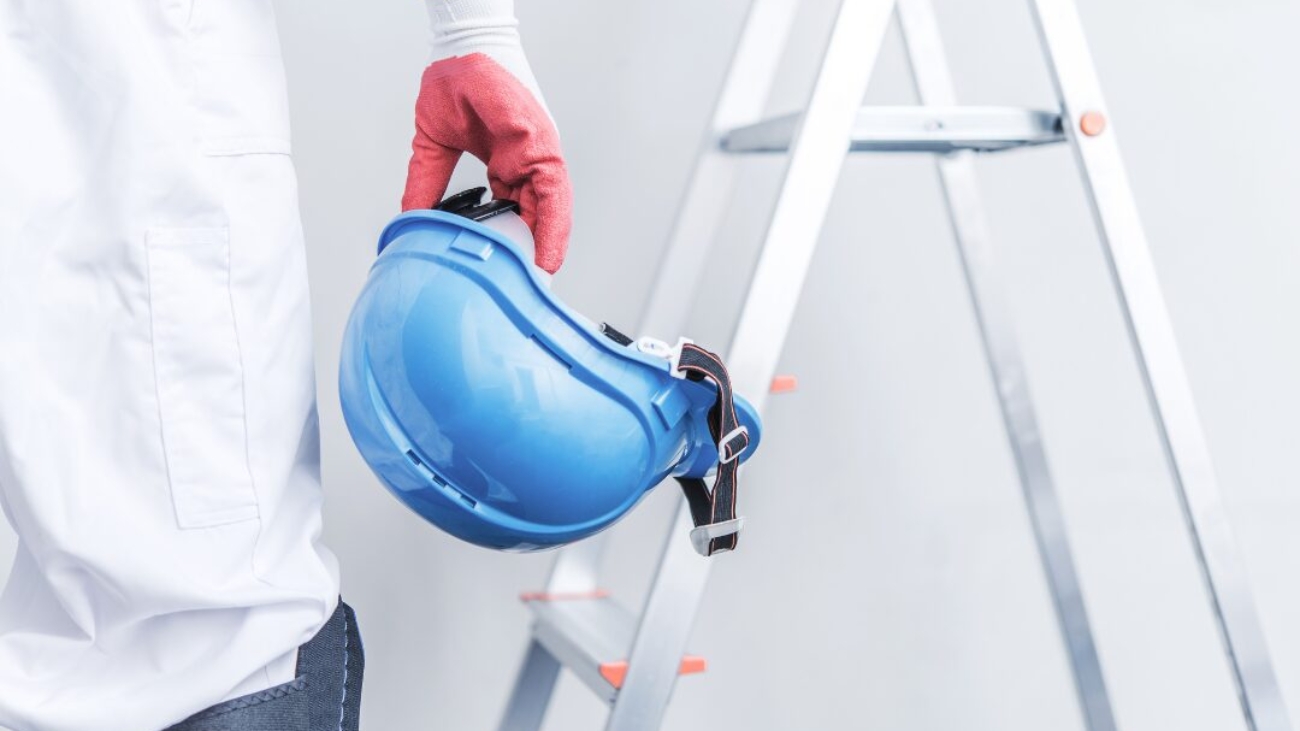
painter with a hardhat

ANSI/ISEA Releases New Bump Cap Safety Standard

On January 15, 2025, ANSI/ISEA announced a new standard for bump caps, offering much-needed guidance for manufacturers and end-users. Bump caps are widely used in low-risk environments such as food service, transportation, and material handling. This new standard aims to enhance safety and provide clarity on protection levels, ensuring workers have access to reliable head protection.

Why Bump Caps Matter

While bump caps are designed for low-risk environments, “low risk” does not mean “no risk.” According to the Bureau of Labor Statistics (BLS), head injuries account for approximately 78,000 incidents requiring at least one day away from work annually in the private sector. Bump caps serve as a critical line of defense against many of these preventable head injuries.

Before this standard, there was no U.S. benchmark for bump cap safety. With the new guidance in place, manufacturers can ensure their products meet consistent safety criteria, and employers can confidently select bump caps that provide appropriate protection for their teams.

The New Standard: Key Highlights

The ANSI/ISEA bump cap standard introduces two classifications, each tested for specific penetration and force transmission levels:

  1. Level 1 Protection:
    • Tested for penetration at the apex.
    • Force transmission equivalent to 7.5 J at a single point on the front and a single point on the back of the crown.
  2. Level 2 Protection:
    • Tested for penetration at the apex.
    • Force transmission equivalent to 12.5 J at two points on the front and two points on the back of the crown.

Key Differences Between Bump Caps and Hard Hats

It’s important to understand how bump caps differ from hard hats:

  • Impact Protection: Hard hats are engineered for high-impact environments, offering protection against falling objects and heavy blows. Bump caps, on the other hand, provide lighter protection suitable for lower-risk scenarios.
  • Comfort: Bump caps are lighter and designed for prolonged wear, making them ideal for jobs where comfort and mobility are key.
  • Applications: While hard hats are necessary for high-risk environments like construction sites, bump caps are best suited for low-risk industries such as food service or transportation.

The Bottom Line

The introduction of this new standard is a significant step forward in workplace safety, providing much-needed guidance for bump cap manufacturing and use. With clear classifications and protection benchmarks, both employers and workers can feel confident in their choice of head protection.

At Safetyvibes, we’re here to help you navigate the latest safety standards and ensure your team has access to the best protective equipment available.

Browse our head protection HERE.

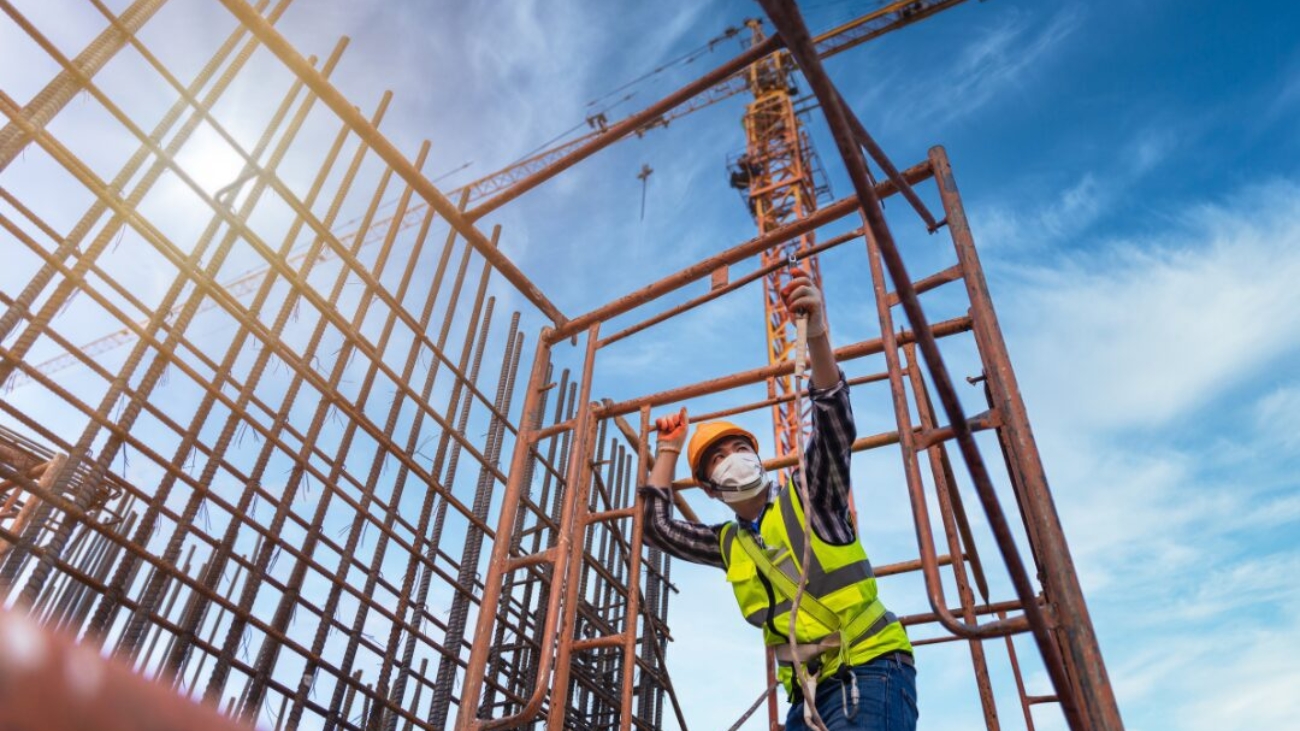
women in construction

OSHA Update: PPE must fit properly

On December 11, 2024, OSHA announced a significant update to its PPE standard for the construction industry. The new law emphasizes proper fit, requiring employers to provide a range of PPE sizes to ensure that all workers are adequately protected. This change marks a critical step forward in addressing a longstanding safety concern.

Why Properly Fitting PPE Matters

Ill-fitting personal protective equipment (PPE) has been a persistent issue in the construction industry, posing serious safety risks. These issues disproportionately affect women and workers with smaller or larger body sizes, who often struggle to find appropriately sized PPE on job sites. Here are some of the key dangers:

  • Entanglement in Machinery: Loose PPE can get caught in equipment, leading to severe injuries.
  • Discomfort: PPE that is too tight or too loose often discourages workers from wearing it properly or at all.
  • Reduced Mobility and Dexterity: Oversized gloves, overly tight clothing, or other poorly fitting gear can hinder movement and make tasks more difficult and dangerous.
  • Compromised Protection: Improper seals or gaps in PPE allow hazards such as debris, chemicals, and other harmful substances to come into contact with workers.

OSHA’s Revised Standard

To address these challenges, OSHA has updated 29 CFR Part 1926. The revised language explicitly states that PPE in the construction industry must fit properly. This update brings construction in line with safety standards in other industries and aims to reduce risks by ensuring that all workers have access to properly fitting protective gear.

What This Means for Employers and Safety Managers

Under the updated standard, employers must:

  1. Offer a Range of PPE Sizes: Ensure that PPE is available in sizes that accommodate all workers, including those with particularly smaller or larger body frames.
  2. Conduct Proper Fit Testing: Employers are encouraged to fit-test PPE and solicit feedback from workers to ensure comfort and effectiveness.
  3. Prioritize Worker Safety: By addressing the fit issue, employers can help reduce injuries, improve compliance, and foster a culture of safety.

The Bigger Picture

This update underscores the importance of recognizing and addressing the diverse needs of the modern workforce. Poorly fitting PPE is not just an inconvenience; it’s a safety hazard. By providing workers with the right tools for protection, employers can significantly reduce risks and improve overall job site safety.

At Safetyvibes, we’re committed to keeping workers safe by providing high-quality, properly fitting PPE. Browse our PPE tailored for women HERE.

Website Photos (3)

OSHA’s General Duty Clause

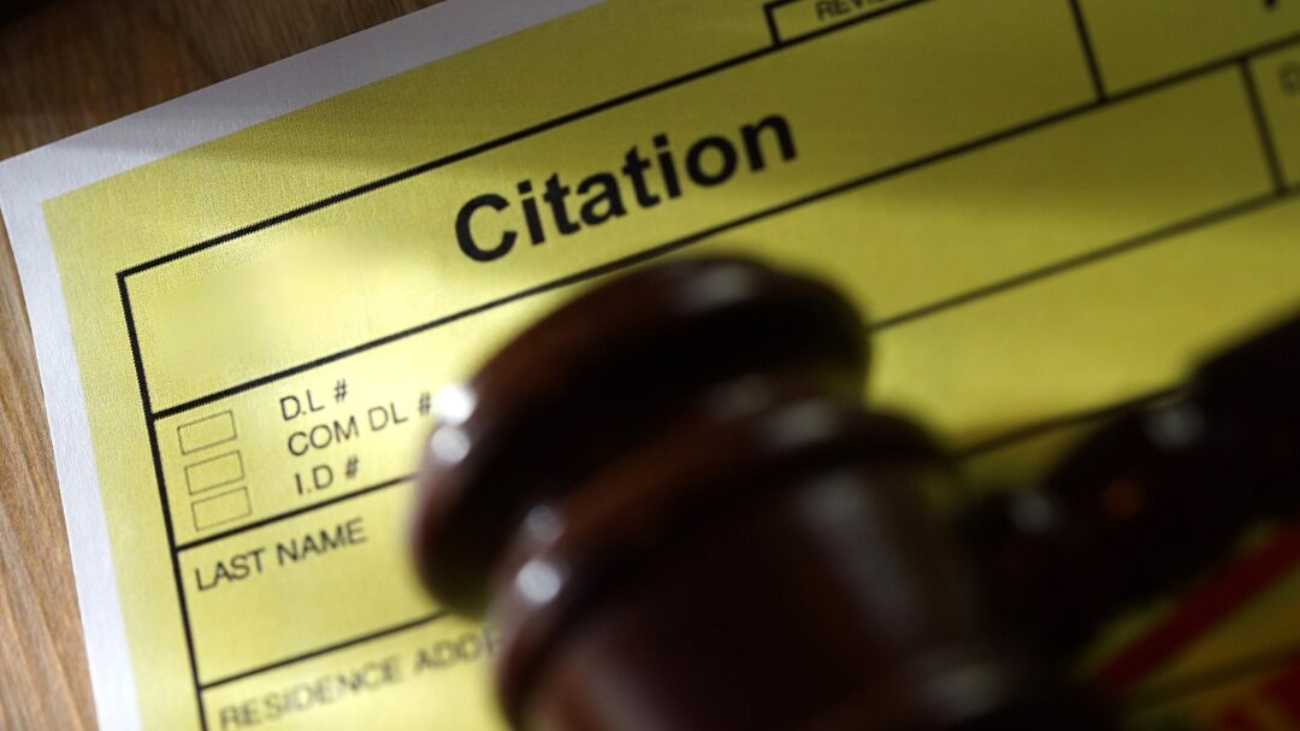
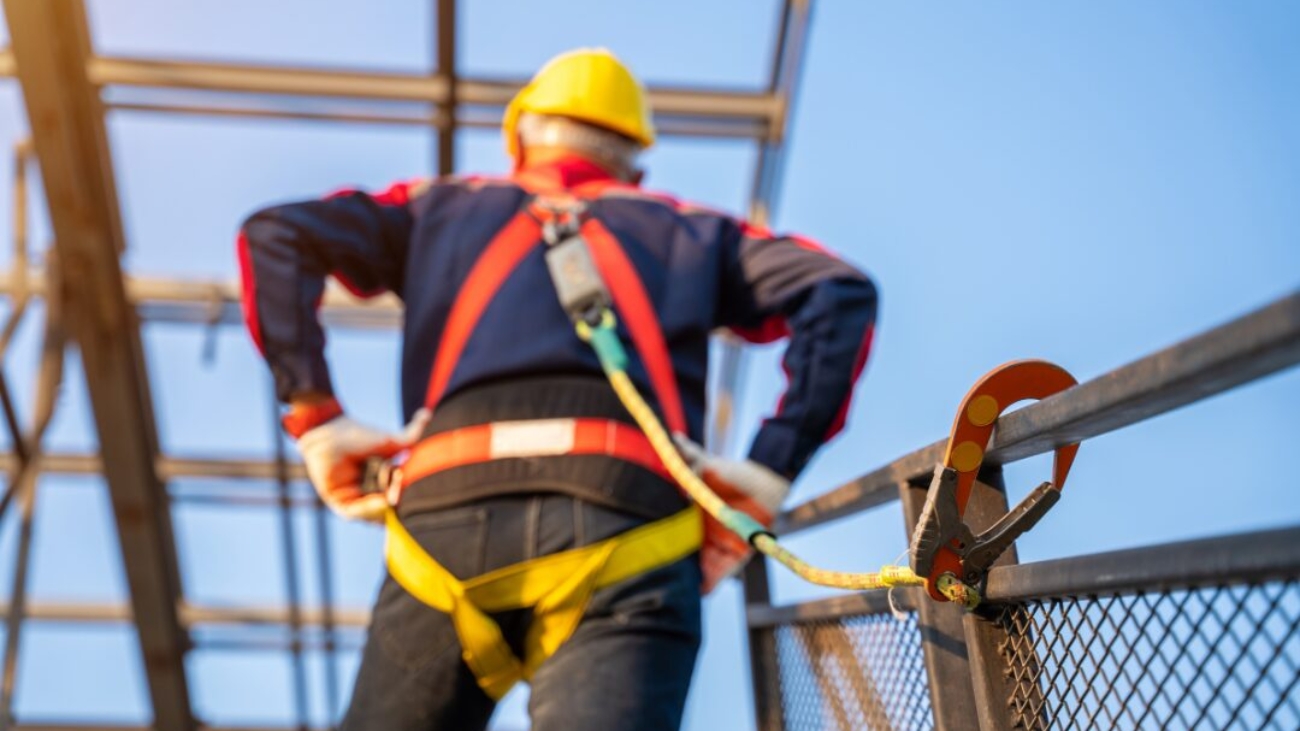
Every year OSHA releases the top citations they cited. Citation cost companies money and put employees at great risks. Fall Protection is all over this list, and has been at the top of the list for TWELVE YEARS INA ROW! Fall Protection is one of the most important as a fall is one of the highest risk of debilitating injury or death.

Website Photos (1)

ANSI vs OSHA

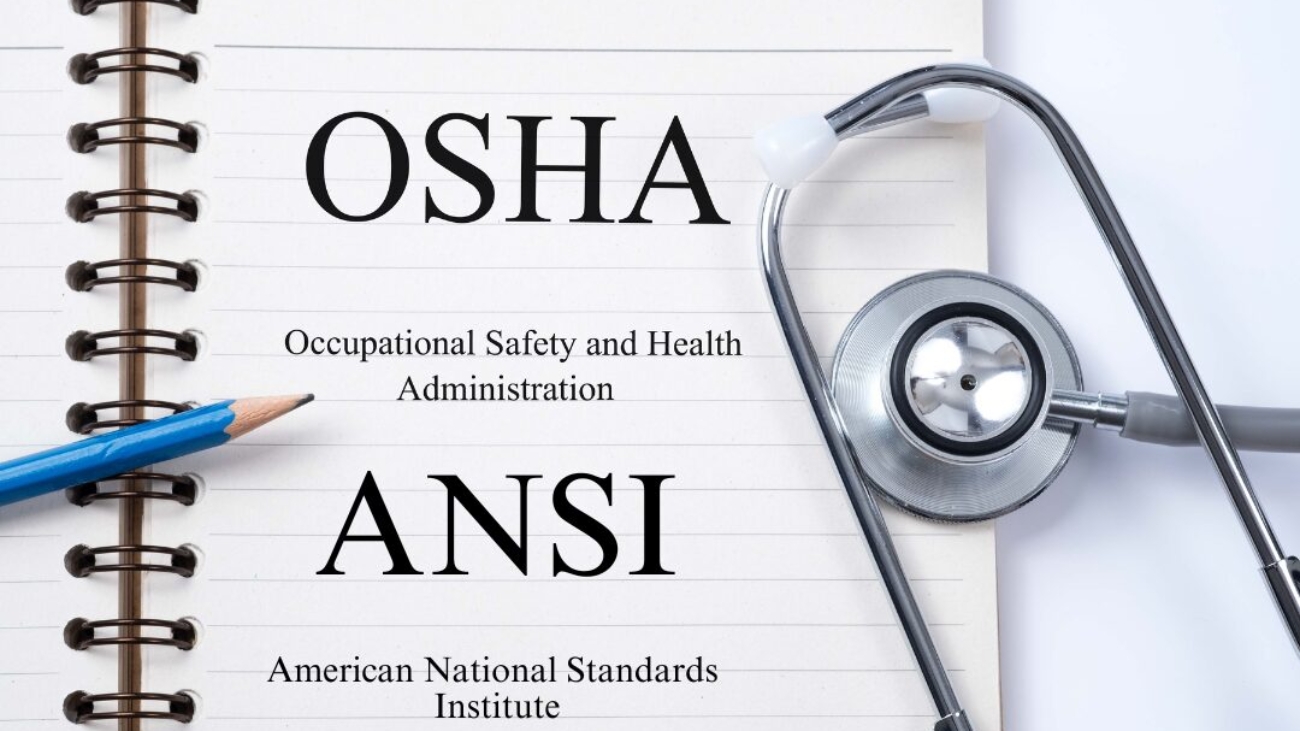
Every year OSHA releases the top citations they cited. Citation cost companies money and put employees at great risks. Fall Protection is all over this list, and has been at the top of the list for TWELVE YEARS INA ROW! Fall Protection is one of the most important as a fall is one of the highest risk of debilitating injury or death.