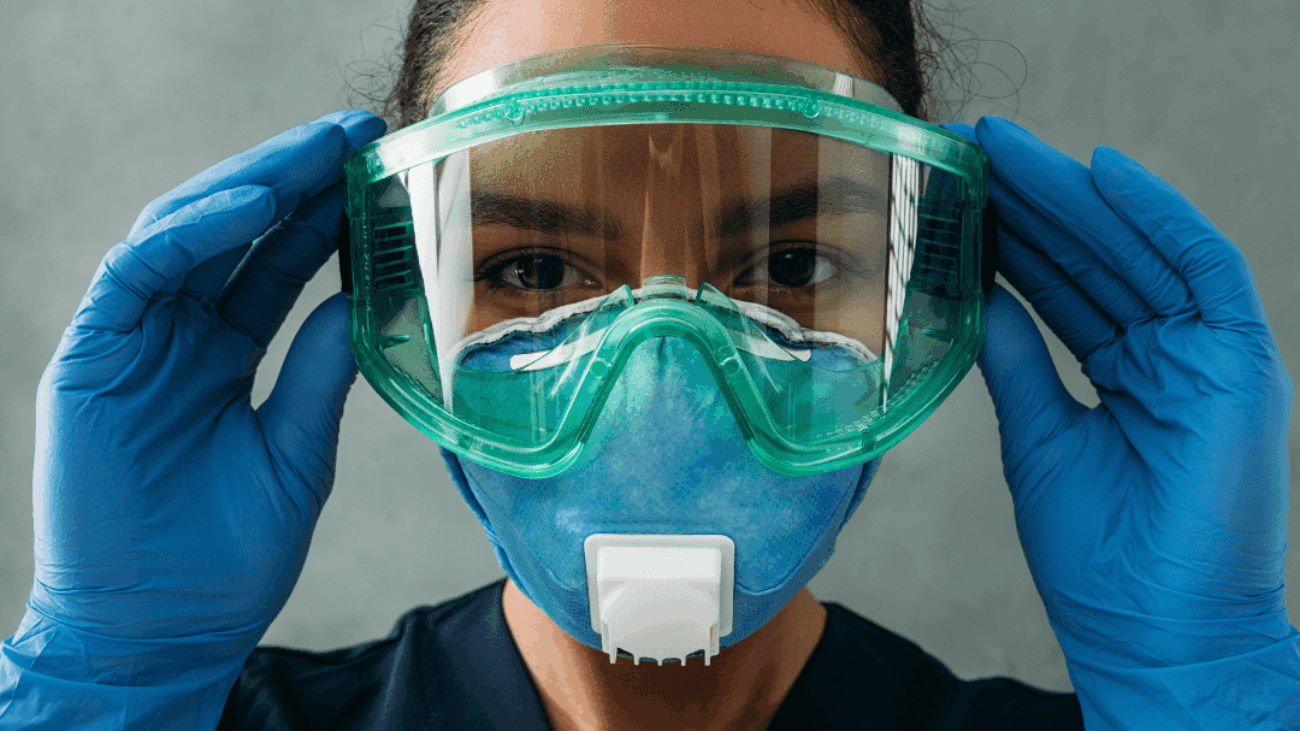
safetyglasses, safety goggles, faceshield

Eye Protection: Quick Facts ANSI/OSHA

Every day, 2,000 work-related eye injuries require medical attention in the U.S.* Even more concerning, 16,000 of these injuries result in lost workdays.** The good news? 90% of these injuries could have been prevented with proper eye protection.

How Do Injuries Happen?

Eye injuries occur in various ways, often due to lack of proper protection or non-compliance with safety standards. Common causes include:

Light Exposure – Harmful UV or infrared radiation, as well as excessive glare

Projectiles – Small particles from tools, wind-blown debris, or falling materials.

Liquids & Sprays – Chemicals, bacteria, or other harmful substances.

Dust & Fine Particles – A major risk in construction, demolition, and manufacturing.

Fog – Reduces visibility, increasing overall workplace hazards.

Eye Protection Standards: What You Need to Know

OSHA requires that all eye and face protection comply with ANSI/ISEA Z87.1 standards, ensuring adequate protection in hazardous environments. Relevant regulations include:

  • OSHA General Industry Standard – 29 CFR 1910.133
  • OSHA Construction Standard – 29 CFR 1926.102

These standards ensure protective eyewear meets strict impact resistance, coverage, and material requirements.

Minimum Requirements for Safety Eyewear

Optical Clarity: Unobstructed, clear vision without blurriness.

Physical Durability:

  • Must not ignite or corrode.
  • Provides sufficient frontal coverage and impact resistance.

Markings & Labels:

  • Proper ratings, placement, and packaging must be clearly identified.

ANSI Z87.1+ IMPACT TESTS

TYPETESTPASS CRITERIA
HIGH VELOCITYShall resist impact from a 0.25″ steel ball traveling:
Glasses: 150′ /sec
Goggles: 250 / sec
Face shield 300′ / sec
No contact with eye, no piece shall detach from spectacle and lens shall not fracture
HIGH MASSShall resist impact from 17.6 oz projectile dropped from a height of 50″No piece shall detach from spectacle and lens shall not fracture
PENETRATIONShall resist penetration from low mass weighted needle dropped from a heigh of 50″Lens shall not be penetrated
LATERAL COVERAGEImpact rated protectors must offer min amount of coverageExtend ≥ 10mm behind corneal plane ≥ 10mm in heigh above and below horizontal plane no openings > 1.5mm in diameter

Additional ANSI Z87.1+ Ratings

For specialized protection, eyewear may include:

  • D3 Liquid Splash Protection – Shields against liquid splash and droplets.
  • D4 Dust Protection – Prevents dust and debris penetration.
  • Anti-Fog (X) Rating – Reduces fogging for clear visibility.

Protect Your Vision – Choose the Right Eye Protection

Workplace eye injuries are preventable. Ensure compliance with ANSI/ISEA Z87.1 standards and invest in the right protective eyewear to maintain safety on the job. To learn more about the specifics of selecting eye protection, read our blog post here.

Browse our eye protection HERE.

*Source: CDC | **2020 U.S. Bureau of Labor Statistics

GRAPHICS-FOR-WEBSITE

Eye Protection: How to Choose the Right Safety Eyewear

Selecting the right eye protection is critical for workplace safety. Ill-fitting or improper eyewear can lead to discomfort, distractions, and increased injury risks. In addition to the OSHA laws and ANSI standards, here’s what to consider when choosing safety glasses or goggles.

Key Factors to Consider

Proper Fit

A secure fit prevents accidents and enhances comfort. Look for features like:

  • Adjustable temples
  • Rubberized nose pieces
  • Brow padding
  • Correct sizing for a snug, secure feel

Coverage

Standard plano safety glasses (without foam lining or magnification) suit most workers. However, some environments demand enhanced protection. Overprotection can lead to workers removing eyewear, increasing their risk of injury.

Vision Impairment & Prescription Lenses

With over 150 million Americans needing corrective lenses, safety eyewear should accommodate vision needs:

  • OTG (Over-the-Glass) Glasses: Fit over prescription eyewear; cost-effective but may be uncomfortable
  • Rx Safety Glasses: Custom prescription lenses for better fit and protection
  • Bifocals/Magnifiers: Built-in magnification for close-up tasks

Light Conditions & Lens Tint

Matching the lens tint to the work environment is essential:

  • Some tints affect color perception
  • Polarized lenses reduce glare
  • Clear lenses for low-light conditions

Scratch Resistance

A hard coating extends lens life and durability.

Anti-Fog Solutions

Fogging occurs in humid environments or temperature shifts. Solutions include:

  • Anti-Fog Coating
  • Ventilation Features
  • Anti-Fog Sprays or Wipes

Material Considerations

  • Polycarbonate: Lightweight, high-impact resistance, and naturally filters 99.9% of UVA, UVB & UVC rays
  • PETG: Economical but not impact-rated
  • Acetate: Best for chemical resistance
  • Wire Mesh: Maximum ventilation but not rated for impact, splash, or dust protection

Types of Eye Protection & Ratings

Protection LevelGeneral UseMajor ImpactExtreme Impact
Z87+ Impact RatedYesYesYes
Liquid Splash (D3)NoNoYes
Dust & Debris (D4)NoSome ModelsYes
Anti-FogTreated ModelsTreated ModelsTreated Models

Additional Features & Options

  • Comfort Enhancements: Rubber temples, neck cords, and lightweight frames
  • Goggles & Sealed Eyewear: Maximum liquid and dust protection with indirect venting
  • One-Piece Designs: Streamlined fit for better protection

Final Thoughts

Choosing the right eye protection ensures safety, comfort, and productivity. Prioritize fit, coverage, lens compatibility, and environmental conditions to select the best option for your team.

Browse our eye protection HERE.

Untitled design (3)

What to Consider When Selecting Protective Eyewear

Looking for the right pair of safety glasses can be an intimidating task, but it doesn’t have to be! Protecting your eyes is essential, so we’ve compiled a list of things to consider when selecting safety eyewear for maximum protection and comfort. 

 First and foremost; and make sure your eyewear is ANSI Z87.1 certified, which is essential for ensuring adequate protection from potential dangers and threats. It’s not just a workplace standard; it’s essential for home and recreational wear as well. 

Next, comfort. Nobody wants to wear safety glasses that pinch or slip off during the workday. Comfortability is achieved with the right fitting frame that doesn’t have pressure points on your nose, head, or ears. Look for frames that combine hard and soft components for all-day wear. 

But a good fit goes beyond comfort. When it comes to safety, it also means getting a close-to-face fit without gaps and securely held in place when you move your head. Don’t forget to keep your peripheral vision unobstructed too.  Learn how to properly fit eyewear here.

Performance is equally important. Look for wide-angle lenses with sleek optical quality to minimize blind spots, eye fatigue, and headaches. Lens coating and tints play a role in performance capabilities:  

Lens coatings can make your eyewear more versatile and last longer. For anyone dealing with varying temperatures and high humidity, choose lenses with anti-fog treatments. And for anyone dealing with indoor and outdoor conditions, clear lenses with a thin mirror coating may be the perfect solution. UV ray protection is needed outdoors as the sun’s ultraviolet radiation can cause a range of conditions, from mild irritation to cataracts and cancer of the conjunctiva. Choose eyewear that provides at least 99% UV protection.   

When it comes to lens tints, options vary, from clear lenses to gray for partial sunlight exposure in some indoor/outdoor applications. Amber lenses are best for low-light conditions as they enhance contrast, while smoke lenses filter out some harmful UV rays. Polarized lenses are perfect for filtering glare and enhancing contrast. 

If you have visual needs like rX prescription or bi-focals, most eyewear can accommodate. There are also “stick-on” bifocals and prescription inserts that can be purchased separately.  

Be sure to select the proper eyewear for the hazards in your workplace. Overprotection is just as dangerous as underprotection. Overprotection can cause you to remove the eyewear or skew vision in certain environments; leaving you susceptible to hazards and injury.

There you go, folks, our guide for selecting the right safety eyewear for you. Fit, Fashion, and Function should be your guide. Choose eyewear that fits properly and functions seamlessly and looks fashionable. You’ll be more likely to wear them when they tick all the boxes!  

Browse our Protective Eyewear

Click here to read about the difference between safety glasses, safety goggles and faceshields.

Learn more about ANSI and OSHA regulations on eyewear HERE.

Learn how to properly fit eyewear here.

  1. https://prochoicesafetygear.com/ppe/blog/personal-protective-equipment/choosing-safety-glasses-vs-goggles-vs-face-shields/#:~:text=Markedly%2C%20safety%20glasses%20allow%20air,worn%20over%20spectacles%20or%20goggles
  2. https://www.hexarmor.com/posts/four-things-to-consider-before-purchasing-safety-eyewear