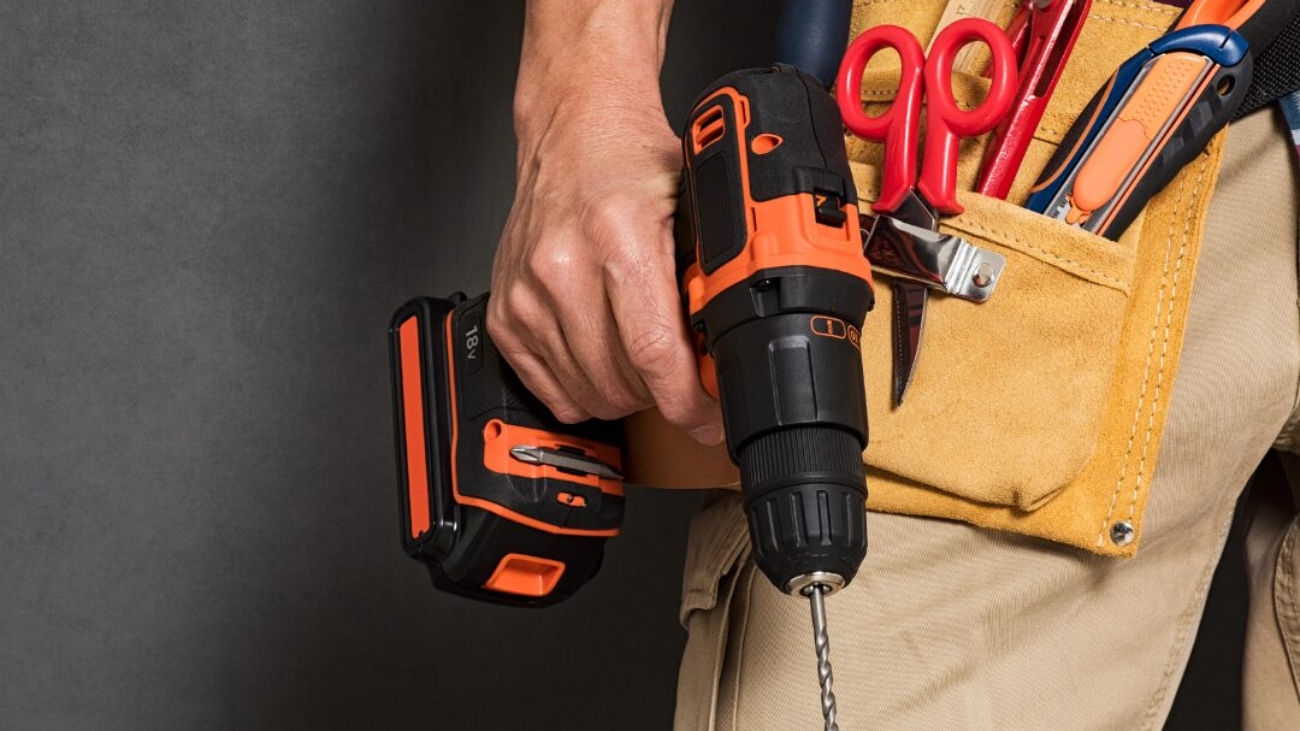
AWorking at heights comes with inherent risks, and dropped tools are one of the most overlooked hazards. Even a small tool falling from a low height can cause significant injury or damage. In fact, over 42,400 OSHA-recorded “struck by falling object” incidents occur annually in the U.S., making falling objects one of the leading causes of workplace injuries. So, how do you mitigate this risk? The answer is simple: tool tethers.
Eye Protection: Quick Facts ANSI/OSHA
Every day, 2,000 work-related eye injuries require medical attention in the U.S.* Even more concerning, 16,000 of these injuries result in lost workdays.** The good news? 90% of these injuries could have been prevented with proper eye protection.
How Do Injuries Happen?
Eye injuries occur in various ways, often due to lack of proper protection or non-compliance with safety standards. Common causes include:
Light Exposure – Harmful UV or infrared radiation, as well as excessive glare
Projectiles – Small particles from tools, wind-blown debris, or falling materials.
Liquids & Sprays – Chemicals, bacteria, or other harmful substances.
Dust & Fine Particles – A major risk in construction, demolition, and manufacturing.
Fog – Reduces visibility, increasing overall workplace hazards.
Eye Protection Standards: What You Need to Know
OSHA requires that all eye and face protection comply with ANSI/ISEA Z87.1 standards, ensuring adequate protection in hazardous environments. Relevant regulations include:
- OSHA General Industry Standard – 29 CFR 1910.133
- OSHA Construction Standard – 29 CFR 1926.102
These standards ensure protective eyewear meets strict impact resistance, coverage, and material requirements.
Minimum Requirements for Safety Eyewear
Optical Clarity: Unobstructed, clear vision without blurriness.
Physical Durability:
- Must not ignite or corrode.
- Provides sufficient frontal coverage and impact resistance.
Markings & Labels:
- Proper ratings, placement, and packaging must be clearly identified.
ANSI Z87.1+ IMPACT TESTS
| TYPE | TEST | PASS CRITERIA |
| HIGH VELOCITY | Shall resist impact from a 0.25″ steel ball traveling: Glasses: 150′ /sec Goggles: 250 / sec Face shield 300′ / sec | No contact with eye, no piece shall detach from spectacle and lens shall not fracture |
| HIGH MASS | Shall resist impact from 17.6 oz projectile dropped from a height of 50″ | No piece shall detach from spectacle and lens shall not fracture |
| PENETRATION | Shall resist penetration from low mass weighted needle dropped from a heigh of 50″ | Lens shall not be penetrated |
| LATERAL COVERAGE | Impact rated protectors must offer min amount of coverage | Extend ≥ 10mm behind corneal plane ≥ 10mm in heigh above and below horizontal plane no openings > 1.5mm in diameter |
Additional ANSI Z87.1+ Ratings
For specialized protection, eyewear may include:
- D3 Liquid Splash Protection – Shields against liquid splash and droplets.
- D4 Dust Protection – Prevents dust and debris penetration.
- Anti-Fog (X) Rating – Reduces fogging for clear visibility.
Protect Your Vision – Choose the Right Eye Protection
Workplace eye injuries are preventable. Ensure compliance with ANSI/ISEA Z87.1 standards and invest in the right protective eyewear to maintain safety on the job. To learn more about the specifics of selecting eye protection, read our blog post here.
Browse our eye protection HERE.
*Source: CDC | **2020 U.S. Bureau of Labor Statistics
Eye Protection: How to Choose the Right Safety Eyewear
Selecting the right eye protection is critical for workplace safety. Ill-fitting or improper eyewear can lead to discomfort, distractions, and increased injury risks. In addition to the OSHA laws and ANSI standards, here’s what to consider when choosing safety glasses or goggles.
Key Factors to Consider
Proper Fit
A secure fit prevents accidents and enhances comfort. Look for features like:
- Adjustable temples
- Rubberized nose pieces
- Brow padding
- Correct sizing for a snug, secure feel
Coverage
Standard plano safety glasses (without foam lining or magnification) suit most workers. However, some environments demand enhanced protection. Overprotection can lead to workers removing eyewear, increasing their risk of injury.
Vision Impairment & Prescription Lenses
With over 150 million Americans needing corrective lenses, safety eyewear should accommodate vision needs:
- OTG (Over-the-Glass) Glasses: Fit over prescription eyewear; cost-effective but may be uncomfortable
- Rx Safety Glasses: Custom prescription lenses for better fit and protection
- Bifocals/Magnifiers: Built-in magnification for close-up tasks
Light Conditions & Lens Tint
Matching the lens tint to the work environment is essential:
- Some tints affect color perception
- Polarized lenses reduce glare
- Clear lenses for low-light conditions
Scratch Resistance
A hard coating extends lens life and durability.
Anti-Fog Solutions
Fogging occurs in humid environments or temperature shifts. Solutions include:
- Anti-Fog Coating
- Ventilation Features
- Anti-Fog Sprays or Wipes
Material Considerations
- Polycarbonate: Lightweight, high-impact resistance, and naturally filters 99.9% of UVA, UVB & UVC rays
- PETG: Economical but not impact-rated
- Acetate: Best for chemical resistance
- Wire Mesh: Maximum ventilation but not rated for impact, splash, or dust protection
Types of Eye Protection & Ratings
| Protection Level | General Use | Major Impact | Extreme Impact |
|---|---|---|---|
| Z87+ Impact Rated | Yes | Yes | Yes |
| Liquid Splash (D3) | No | No | Yes |
| Dust & Debris (D4) | No | Some Models | Yes |
| Anti-Fog | Treated Models | Treated Models | Treated Models |
Additional Features & Options
- Comfort Enhancements: Rubber temples, neck cords, and lightweight frames
- Goggles & Sealed Eyewear: Maximum liquid and dust protection with indirect venting
- One-Piece Designs: Streamlined fit for better protection
Final Thoughts
Choosing the right eye protection ensures safety, comfort, and productivity. Prioritize fit, coverage, lens compatibility, and environmental conditions to select the best option for your team.
Browse our eye protection HERE.
Hearing Conservation Program: Understanding Decibels, Hearing Loss, HPDs and NRR
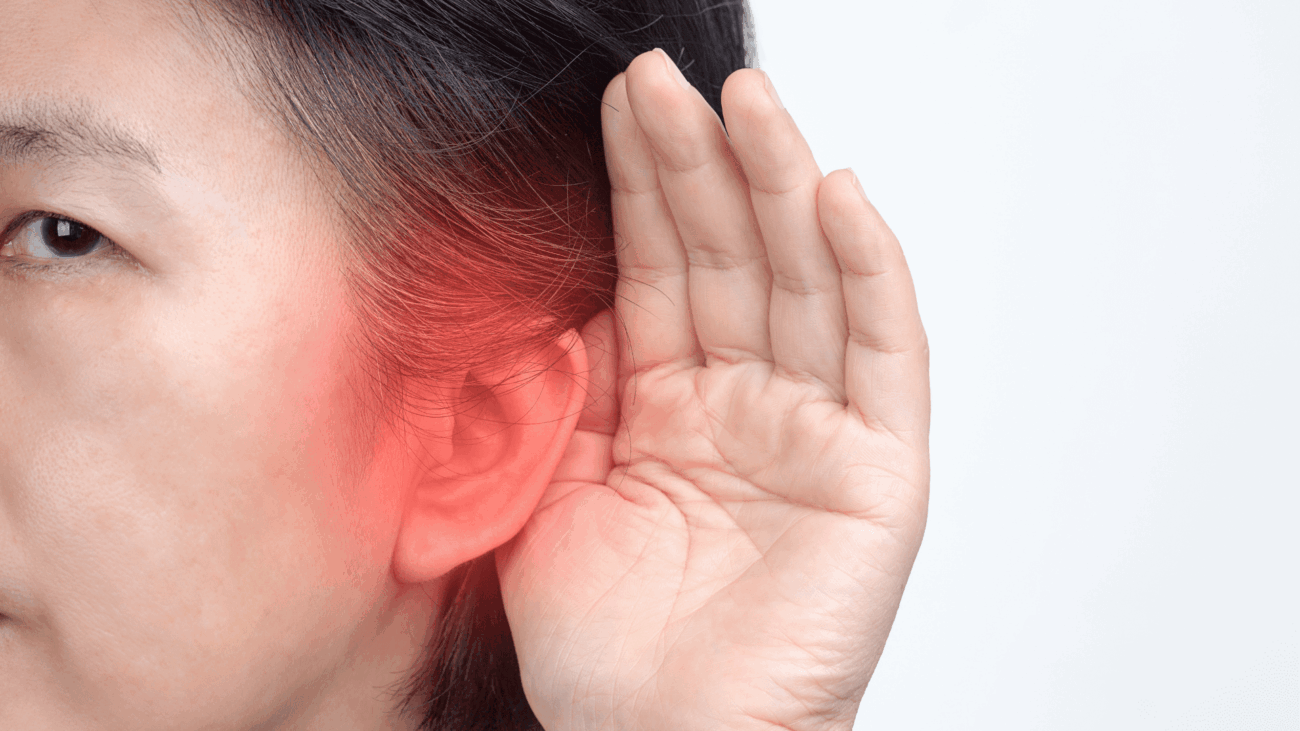
Did you know that hearing loss is one of the most common job-related injuries, and it’s almost always preventable? That’s right, it’s the most frequent, permanent injury that occurs in the workplace. (1) Once the delicate cells in your ears are damaged, there’s no turning back.
Hearing Protection: The Real Sound of Safety on the Job
We recently sent out an email to our customer base about the importance of hearing protection. And let me tell you, we got some cheeky responses! Seems like a lot of people have already lost some of their hearing.
Hearing Protection: Noise Induced Hearing Loss
Did you know that hearing loss is one of the most common job-related injuries, and it’s almost always preventable? That’s right, it’s the most frequent, permanent injury that occurs in the workplace. (1) Once the delicate cells in your ears are damaged, there’s no turning back.
ANSI/ISEA Releases New Bump Cap Safety Standard
On January 15, 2025, ANSI/ISEA announced a new standard for bump caps, offering much-needed guidance for manufacturers and end-users. Bump caps are widely used in low-risk environments such as food service, transportation, and material handling. This new standard aims to enhance safety and provide clarity on protection levels, ensuring workers have access to reliable head protection.
Why Bump Caps Matter
While bump caps are designed for low-risk environments, “low risk” does not mean “no risk.” According to the Bureau of Labor Statistics (BLS), head injuries account for approximately 78,000 incidents requiring at least one day away from work annually in the private sector. Bump caps serve as a critical line of defense against many of these preventable head injuries.
Before this standard, there was no U.S. benchmark for bump cap safety. With the new guidance in place, manufacturers can ensure their products meet consistent safety criteria, and employers can confidently select bump caps that provide appropriate protection for their teams.
The New Standard: Key Highlights
The ANSI/ISEA bump cap standard introduces two classifications, each tested for specific penetration and force transmission levels:
- Level 1 Protection:
- Tested for penetration at the apex.
- Force transmission equivalent to 7.5 J at a single point on the front and a single point on the back of the crown.
- Level 2 Protection:
- Tested for penetration at the apex.
- Force transmission equivalent to 12.5 J at two points on the front and two points on the back of the crown.
Key Differences Between Bump Caps and Hard Hats
It’s important to understand how bump caps differ from hard hats:
- Impact Protection: Hard hats are engineered for high-impact environments, offering protection against falling objects and heavy blows. Bump caps, on the other hand, provide lighter protection suitable for lower-risk scenarios.
- Comfort: Bump caps are lighter and designed for prolonged wear, making them ideal for jobs where comfort and mobility are key.
- Applications: While hard hats are necessary for high-risk environments like construction sites, bump caps are best suited for low-risk industries such as food service or transportation.
The Bottom Line
The introduction of this new standard is a significant step forward in workplace safety, providing much-needed guidance for bump cap manufacturing and use. With clear classifications and protection benchmarks, both employers and workers can feel confident in their choice of head protection.
At Safetyvibes, we’re here to help you navigate the latest safety standards and ensure your team has access to the best protective equipment available.
Browse our head protection HERE.
OSHA Update: PPE must fit properly
On December 11, 2024, OSHA announced a significant update to its PPE standard for the construction industry. The new law emphasizes proper fit, requiring employers to provide a range of PPE sizes to ensure that all workers are adequately protected. This change marks a critical step forward in addressing a longstanding safety concern.
Why Properly Fitting PPE Matters
Ill-fitting personal protective equipment (PPE) has been a persistent issue in the construction industry, posing serious safety risks. These issues disproportionately affect women and workers with smaller or larger body sizes, who often struggle to find appropriately sized PPE on job sites. Here are some of the key dangers:
- Entanglement in Machinery: Loose PPE can get caught in equipment, leading to severe injuries.
- Discomfort: PPE that is too tight or too loose often discourages workers from wearing it properly or at all.
- Reduced Mobility and Dexterity: Oversized gloves, overly tight clothing, or other poorly fitting gear can hinder movement and make tasks more difficult and dangerous.
- Compromised Protection: Improper seals or gaps in PPE allow hazards such as debris, chemicals, and other harmful substances to come into contact with workers.
OSHA’s Revised Standard
To address these challenges, OSHA has updated 29 CFR Part 1926. The revised language explicitly states that PPE in the construction industry must fit properly. This update brings construction in line with safety standards in other industries and aims to reduce risks by ensuring that all workers have access to properly fitting protective gear.
What This Means for Employers and Safety Managers
Under the updated standard, employers must:
- Offer a Range of PPE Sizes: Ensure that PPE is available in sizes that accommodate all workers, including those with particularly smaller or larger body frames.
- Conduct Proper Fit Testing: Employers are encouraged to fit-test PPE and solicit feedback from workers to ensure comfort and effectiveness.
- Prioritize Worker Safety: By addressing the fit issue, employers can help reduce injuries, improve compliance, and foster a culture of safety.
The Bigger Picture
This update underscores the importance of recognizing and addressing the diverse needs of the modern workforce. Poorly fitting PPE is not just an inconvenience; it’s a safety hazard. By providing workers with the right tools for protection, employers can significantly reduce risks and improve overall job site safety.
At Safetyvibes, we’re committed to keeping workers safe by providing high-quality, properly fitting PPE. Browse our PPE tailored for women HERE.
Winter Protection: Overlooked Hazards
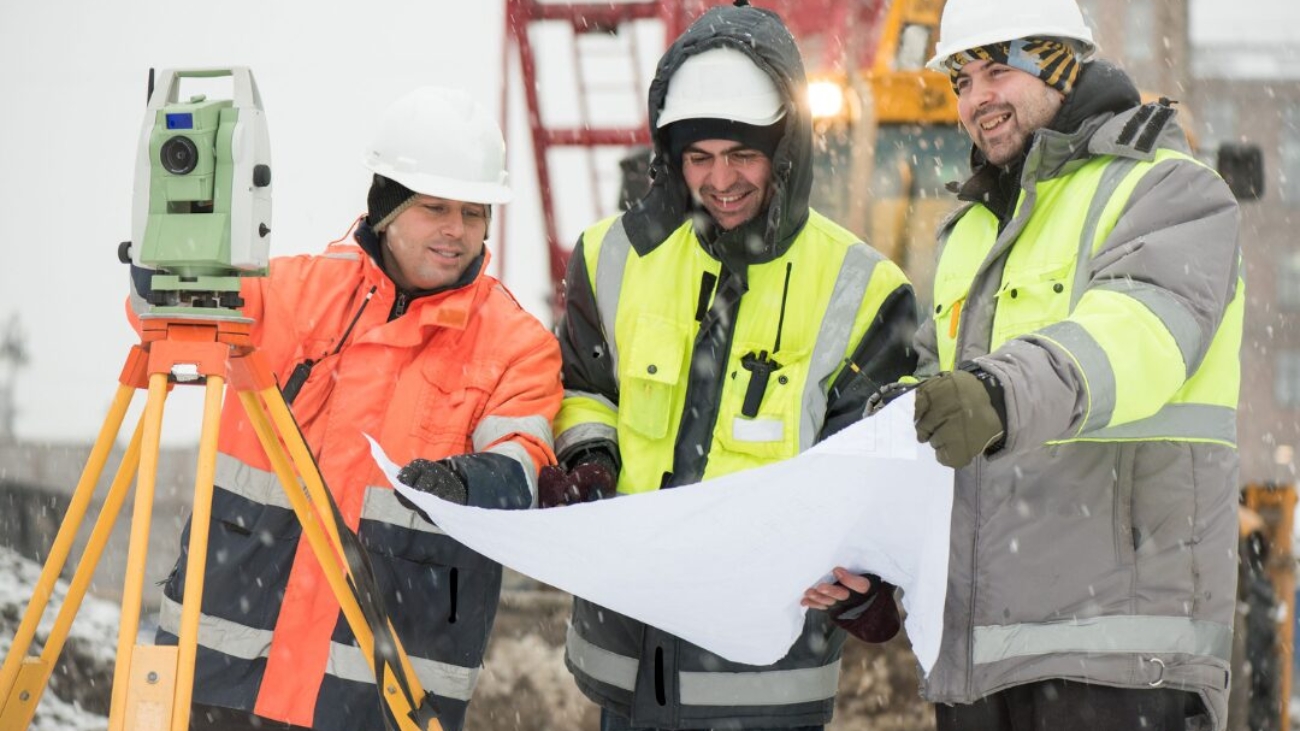
Winter worksites come with a unique set of challenges and risks. From shorter daylight hours to frigid temperatures, staying safe requires extra vigilance and preparation. Even in regions without severe winter weather, there are seasonal hazards that demand attention.
Low Light Conditions
Winter’s shorter days and longer nights, coupled with overcast skies and misty conditions, can significantly reduce visibility. In such environments, ANSI/ISEA-rated high-visibility workwear and PPE are not just recommended but essential. Bright, reflective gear ensures workers are easily seen, reducing the likelihood of accidents caused by poor visibility.
Hydration
Hydration is often emphasized during summer, but it’s equally critical in winter. Cold air, combined with the insulating effects of heavier winter clothing, can increase fluid loss through perspiration and respiration. Workers should be encouraged to hydrate steadily throughout the day to maintain optimal performance and health.
Respiratory Protection
Cold air and condensation can compromise the effectiveness of respiratory protection. Masks and respirators with moisture-resistant features and a snug fit are ideal for blocking out cold air and maintaining proper filtration. This is especially important for workers exposed to dust, chemicals, or other airborne hazards during winter operations.
Conclusion
Winter conditions demand proactive safety measures to mitigate the risks posed by low visibility, dehydration, and compromised respiratory protection. By equipping workers with the right PPE, encouraging hydration, and adapting safety protocols to the season, employers can create a secure and productive environment year-round. Preparing for winter hazards isn’t just good practice—it’s an essential part of keeping your workforce safe and your operations running smoothly.
Winter Protection: PPE for Winter
As temperatures drop and winter weather sets in, worksites face unique safety challenges that require extra precautions. Cold temperatures, icy surfaces, reduced visibility, and extreme conditions like frostbite or hypothermia become serious risks. Even on days when the mercury hovers just above freezing, wet clothing combined with wind exposure can lead to hypothermia. Understanding how to properly outfit yourself with the right personal protective equipment (PPE) is key to staying safe, comfortable, and productive during the colder months.
Materials for Cold Weather Gear
When choosing clothing and PPE for winter work, the material matters. The best fabrics for insulation are those that trap warmth without holding moisture. Here’s a breakdown of materials that work best:
- Wool: Naturally moisture-wicking and insulating, wool keeps you warm even when wet. It’s perfect for colder conditions.
- Fleece: Lightweight, breathable, and excellent at retaining body heat, fleece is a great middle layer.
- Polyester: Often used in outer layers, polyester provides water resistance and durability, while still allowing for breathability.
- Nylon: Strong, wind-resistant, and lightweight, nylon is ideal for outer layers or windbreakers.
Avoid 100% cotton in your winter PPE. Cotton absorbs moisture, and once it gets wet, it loses its insulating properties, leaving you cold and vulnerable.
Layering for Maximum Warmth and Comfort
Layering is the key to staying warm in cold conditions. It’s more effective to wear multiple thin layers than a single bulky piece of clothing. Here’s how to layer properly:
- Base Layer: The foundation of your gear should be a moisture-wicking material. This layer keeps sweat off your skin, helping to maintain your body temperature. Look for materials like merino wool, synthetic blends, or moisture-wicking polyester.
- Middle Layer: This layer’s job is to retain body heat. Fleece or insulated jackets are ideal for trapping warmth while allowing for breathability.
- Outer Layer: The outermost layer should protect against the elements—wind, rain, and snow—while also allowing for ventilation. Waterproof jackets or coats with breathable membranes (like Gore-Tex) are ideal for this purpose.
Protecting Your Extremities
Head: A good winter head covering is essential, especially when wearing a hard hat. Opt for flannel or knit liners that fit comfortably under your helmet. Avoid wearing bulky beanies with pom-poms, as they can interfere with the fit and safety of your headgear.
Hands: Insulated, waterproof gloves are a must for winter work. Choose gloves that offer a good balance of warmth and dexterity, and make sure they have grips to handle wet, slippery conditions safely.
Feet: Keeping your feet warm and dry is crucial. Insulated, waterproof boots with rubber soles provide excellent traction on icy surfaces and protect against moisture. Leather boots are a durable option that, when properly treated, can withstand the elements.
Rain and Wet Conditions
Rain, fog, and even heavy snow bring specific risks to the worksite: slippery surfaces, reduced visibility, and increased chances of electrical hazards. Wet clothing, even in temperatures above freezing, can still lead to hypothermia. High-visibility rain gear is essential in rain, fog and snow because visibility is compromised. High-visibility jackets, pants, and ponchos should be worn over your standard winter PPE to ensure that you’re seen by others, especially in low-light conditions or during heavy precipitation.
Stay Safe and Prepared
Winter weather presents significant challenges for workers, but with the right PPE, those challenges can be managed. The key is to dress in layers, use materials that retain heat without trapping moisture, and protect your extremities from the cold. Rain gear, high-visibility clothing, and insulated boots ensure you’re safe from both the elements and workplace hazards. By making sure you’re properly equipped, you can work confidently and comfortably in any winter conditions, minimizing risks and maximizing productivity. Stay safe, stay warm, and stay visible.