Happy Safety Manager

Safety Managers: Overcoming Resistance to Change

A safety manager’s job is no walk in the park. They have to handle training, compliance, and getting the necessary safety gear. But one of the biggest challenges they face is getting others to buy into safety changes. Prioritizing safety often means changing the way things are done, which can make people resistant. Employers worry about their budget and deadlines, while employees worry about their time and their product. So, how can a safety manager overcome this resistance? 

One key approach is to make sure that safety goals are a fundamental part of the company’s values, KPIs, and goal measurement systems. If the importance of safety is clearly stated, the safety manager can use that to push for necessary changes. 

When faced with resistance, safety managers can choose from four tactics: 

Feed it – If the safety leader themselves shows resistance, how can they expect their team to embrace change? Employees look to their supervisors for guidance, so it’s important for managers to support the changes and avoid contradicting them through their actions and decisions. When managers make statements like “they want you to” or “I don’t necessarily agree, but we have to,” or contradict the change through their decisions and actions, employees perceive the change as optional. This kind of leadership behavior only fuels resistance. When discussing resistance with leaders, the safety manager must stand firm as the team’s advocate, having full faith that the changes will ensure safety.  

Ignore it – It’s a common mistake for managers to assume that the changes being made aren’t a big deal and that employees will eventually get on board. But the reality is that resistance to change should be expected and planned for. Ignoring it only prolongs the inevitable and makes it more difficult to overcome. Addressing resistance promptly and effectively, with both leaders and employees, is crucial. 

Avoid it – Nobody likes to be the bad guy, and most people try to avoid conflict if they can. Some managers may keep conversations about resistance brief and shy away from seeking feedback from leaders and employees. They keep themselves busy with other tasks to avoid addressing the issue. However, resistance can only be avoided for so long before it becomes a major obstacle. Sooner or later, it must be confronted. Avoiding it only wastes more time and effort in the long run.  

Unearth it – This is the most successful way to tackle resistance. It involves recognizing and acknowledging the resistance and bringing it out into the open. Managers should work to understand why there is resistance and have meaningful conversations with employees and leaders to address their concerns without judgment. They should actively support employees through the change, explaining how it aligns with safety and productivity goals. Successful managers engage employees and leaders, seek feedback, take ownership of the change, invest time, build trust, actively listen, seek to understand, and remain authentic. When dealing with leaders, it’s important to offer data-backed information on accidents, near-misses, and industry trends. Highlighting the financial and productivity risks of potential accidents is a powerful lever when addressing higher-ups. 

Most of the time, employees are not resistant to technical change but to social change, a shift in their human relations. It takes time to empathize, gather feedback, and reach a mutual understanding. While employers may be concerned about deadlines and budgets, deprioritizing safety is far too risky and can ultimately compromise both deadlines and budgets even further. Address resistance head on, with empathy and respect, and your team and leaders will be on board in no-time! 
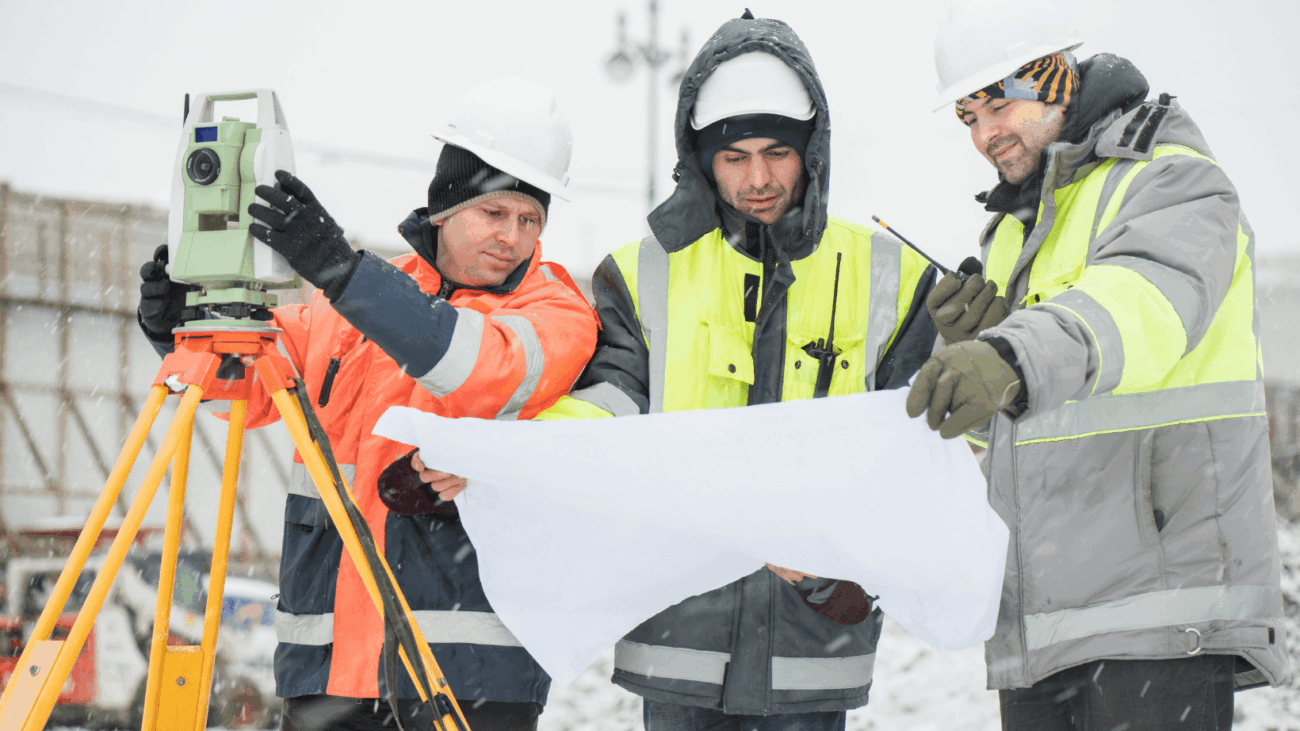
  1. https://www.ehsinsight.com/blog/dealing-with-safety-resistance
  2. https://www.ehstoday.com/safety-leadership/article/21920142/unearthing-resistance-to-change-why-it-matters
Construction workers in winter

Navigating Winter Hazards: Winter PPE

Winter has arrived, bringing colder and wetter working conditions across various industries. Whether you’re basking in the sun of Southern California or braving the snow-covered landscapes, it’s crucial to be well-prepared with the right Personal Protective Equipment (PPE). Cold and wet conditions pose risks that can be dangerous without proper protection, so let’s dive into what you need to know to stay warm and safe.

On worksites, winter introduces a fresh set of risks, from frostbite and hypothermia to accidents stemming from icy surfaces and reduced visibility. Even if the temperature isn’t sub-zero, the combination of wetness and exposure to the wind can lead to hypothermia. Don’t underestimate the cold – preparation is key.

While it might surprise you, OSHA doesn’t mandate employers to provide winter clothing. However, that doesn’t mean you should neglect it. Take responsibility for your safety by ensuring you have the right gear to shield yourself from the winter elements.

Here’s a breakdown of what you should know about dressing for the cold:

  1. Material Matters: Choose Wisely Opt for materials like wool, fleece, polyester, and nylon for their insulation properties. Steer clear of 100% cotton, as it tends to retain moisture.
  2. Head and Ears Need Attention Too Don’t neglect your head and ears. Invest in a cold weather liner for your hard hat and consider a full head cover made of flannel or knit for added protection.
  3. Layer Up: Thin is In Layering is more effective than relying on one thick garment. Ensure your clothing fits comfortably, as tight clothes can impede blood circulation.
  4. The Three-Layer Rule:
    • Moisture-wicking base layer: Opt for long johns made of wool, silk, or synthetic fabric to keep moisture away.
    • Heat-retaining middle layer: Choose long-sleeve wool, flannel, or fleece to retain body heat.
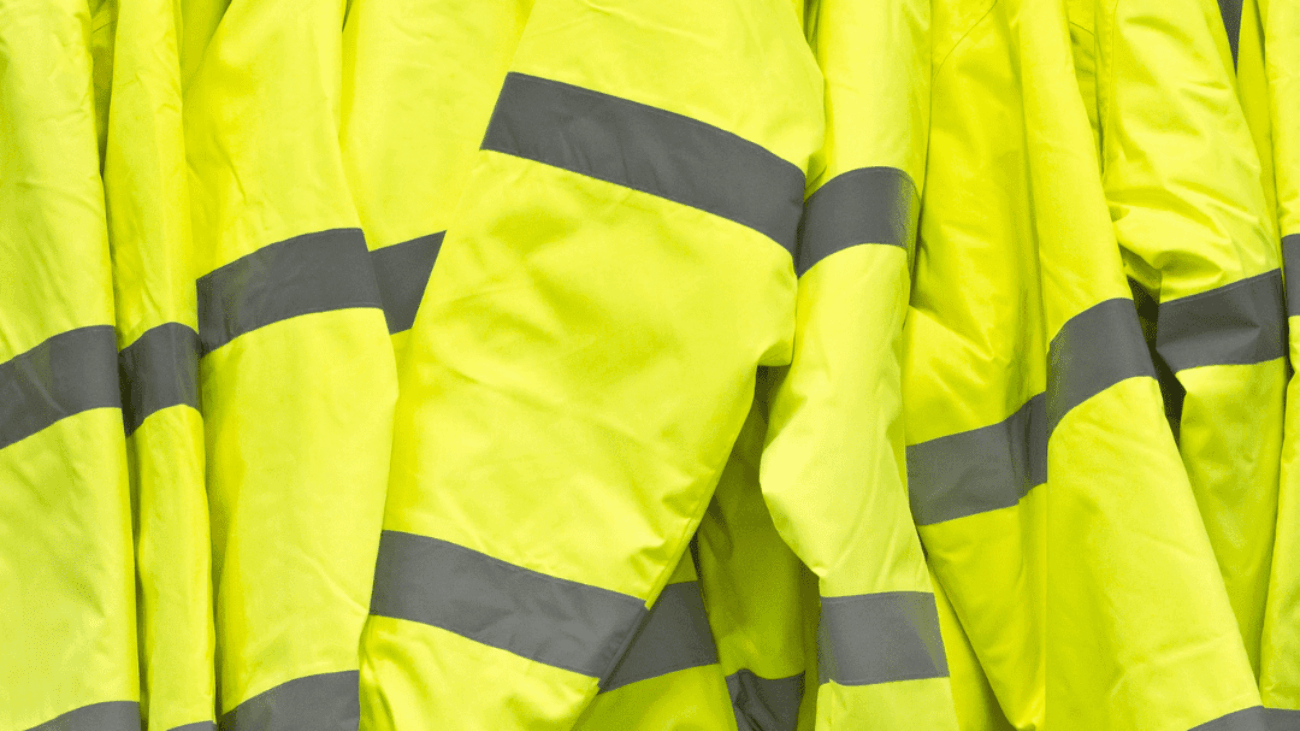
    • Outer layer for wind and rain protection: Consider high-visibility waterproof insulated jackets or hoodies that offer ventilation to prevent overheating.
  5. Extremities Matter: Gloves and Boots are Essential Protect your hands and feet with insulated gloves and waterproof, rubber-bottomed leather boots.

Working in the rain introduces additional hazards such as slippery surfaces, reduced visibility, and electrical risks. Safeguard yourself with hi-vis rainwear made from waterproof materials, available in various styles and colors. Ensure your hands and feet are shielded with water-resistant gloves and rain boots.

Maintenance of wet weather gear is equally vital. Clean it thoroughly, reapply water repellent treatment, and store it appropriately to prolong its lifespan.

In conclusion, don’t let winter catch you off guard. Dress appropriately, prioritize safety, and stay warm. By embracing these precautions, you’ll navigate winter hazards with confidence and ensure a secure and comfortable work environment.

Browse our winter PPE here.

safety department

Building a Safety Culture: The Secret ingredient to an Effective Safety Program. 

Imagine a workplace where everyone is fully committed to safety, where rules and protocols aren’t just words on a page, but a way of life. That’s the power of a robust safety culture, and no safety program can thrive without it. 

So, how do you create this culture? It starts at the top. Leaders must champion safety and make it a priority. It should be woven into key performance indicators (KPIs) to ensure accountability. 

The safety department should be proactive –  anticipating accidents and implementing preventive measures. They should constantly analyze and refine existing processes to keep everyone safe.  (Learn more about what a safety manager actually does here.)

But a safety culture isn’t just about the safety department. Everyone in the company plays a role. In order to get people on board, several things should be put into place.  

Clear safety goals and a plan to achieve them should be communicated clearly throughout the organization. Every team member should be involved and invested in the plan. 

Safety training is crucial, and it should be required and interesting for all employees. It should be accessible, considering all cultural and language differences.  

Consistent communication is key, ensuring that everyone is on the same page and confusion is avoided. There should be clear communications channels, digital or otherwise, and a clear chain of command. Leadership should be one voice, employees shouldn’t be confused by contradicting voices.  

Accountability and incentivization are a must. No one is above safety standards, and violations should be addressed equitably. At the same time, team members who adhere to standards and call out unsafe practices should be recognized and rewarded. 

Empowerment is vital. All team members should feel empowered to stop work if they deem it unsafe, and they should also be encouraged to intervene if they see others engaging in risky behavior. Safety should always come first, even if it means adjusting project timelines. 

Strong investigations and reporting are essential. Every accident, incident, and near-miss should be thoroughly investigated to identify potential risks and prevent future incidents. 

Lastly, a strong safety culture should be celebrated and rewarded. A record without accidents and proactive behaviors should be acknowledged regularly. 

Creating a strong safety culture is more than just ticking boxes. It requires commitment, communication, empowerment, and a shared responsibility for the safety of all. Once everyone is fully invested, the workplace becomes a safer and more enjoyable environment for all. 

  1. https://ohsonline.com/Articles/2022/12/01/Creating-a-Safety-Culture.aspx 
  1. https://www.onsitesafety.com/safety-articles/top-10-ways-to-build-a-great-safety-culture
Safety Manager

Safety Managers: What do they ACTUALLY do?

The Safety Manager, the unsung heroes, who ensure accidents don’t happen and employees go home safe. They have a vital role without which everything else onsite cannot happen. But what does that role really entail? It goes beyond just nagging employees about wearing their PPE properly. 

  1. Regulatory Compliance – Safety Managers must have extensive knowledge about regulations relevant to their industry and how they apply to every situation onsite. They decipher the sometimes confusing language of OSHA, EPA, ANSI, and other regulating bodies. If an OSHA violation leads to an accident, the safety manager is held accountable. 
  1. Training – Safety Managers must make training interesting and accessible to all employees, ensuring they have a clear and deep understanding. 
  1. Instilling a Safety Culture – It’s not just about training. Safety Managers must motivate their team to WANT TO follow the rules, wear PPE, and look out for their coworkers. They need to impart knowledge and motivation. 
  1. Data Analyst – Safety programs are supported by data. Safety Managers know what data to collect, how to collect it, and how to analyze and create reports from it. 
  1. Investigations – If an accident occurs, the safety manager leads the investigation, creates reports, and troubleshoots to prevent a recurrence. 
  1. Marketing – Safety programs involve logos, posters, events, and cheerleading. Safety Managers get creative, creating contests and incentives to keep people engaged and motivated. 
  1. Purchaser – Safety Managers oversee purchasing PPE for their team, considering the hazards present and ensuring adequate protection. They know how employees can get hurt and make sure they have the necessary safeguards. 

Safety managers have a pivotal role that affects the health and wellbeing of those working in the industry. It is much more than just enforcing safety rules and regulations, it’s a demanding job that requires a diverse set of skills including regulatory compliance, training, instilling a strong safety culture, data analysis, investigations of accidents and creative marketing. You must be motivated to take on this challenging position and stay focused on protecting all employees from potential workplace hazards.  

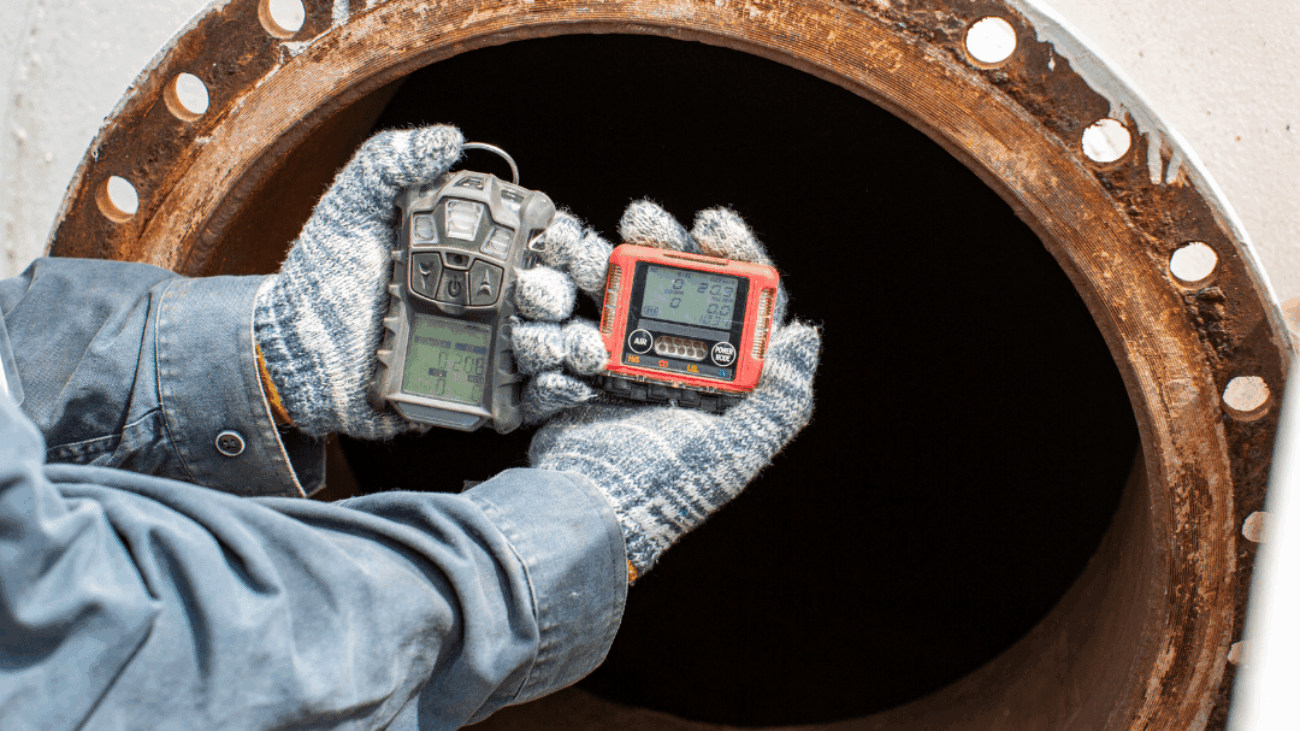
Two hands with gloves on them hold up a gas monitor in front of a confined space, a tunnel

Gas Detection: Common Challenges

Gas detection systems are a key component of safety, but ensuring personnel are trained on the entire system is just as important as having the device itself. Training programs should cover everything from gas properties and detection principles to instrument operation, calibration procedures, maintenance practices, safety regulations, and emergency response protocols. It’s also important to address challenges and adopt best practices to truly enhance the effectiveness of gas detection systems. Let’s take a closer look at these common challenges: 

  1. Sensor Drift: Over time, gas sensors can drift, leading to inaccurate readings. Regular calibration and maintenance can help mitigate this issue. 
  1. Sensor Poisoning: Exposure to certain gases and contaminants can cause sensor poisoning, resulting in reduced sensitivity or failure. Implementing proper sensor protection measures is essential to prevent this problem. 
  1. False Alarms: False alarms can lead to complacency and a lack of trust in gas detection systems. Proper alarm management, including setting appropriate alarm thresholds and implementing alarm verification procedures, can minimize false alarms. 
  1. Maintenance and Testing: Regular maintenance and testing of gas detection equipment are crucial for optimal performance. Establishing maintenance schedules and protocols helps keep the equipment in good working condition. 

The best training includes a wide range of topics, such as confined space dangers, common gases and their effects on the body, troubleshooting techniques, correct alarm responses, calibration and bump testing, pump versus non-pump operations, sensor types and troubleshooting, as well as key information on battery and water resistance. It’s important to cover all the bases to ensure a comprehensive understanding of gas monitors.  

Unfortunately, Confined Space Entry (CSE) training often falls short when it comes to fully addressing gas monitor operation and the aforementioned topics. That’s where our partnership with top-notch Gas Monitor Competence Training comes in. They provide the training needed to fill the gaps left by traditional CSE training. 

The benefits of a well-trained workforce are significant, including increased safety awareness, faster response times, reduced false alarms, and an overall enhanced safety culture within the organization. A comprehensive understanding of gas monitors is not just important for efficiency, it’s a matter of life-saving importance. 

Read our guide to types of Gas Monitors HERE.

Learn more about calibration practices HERE.

Browse our Gas Detection here.

  1. https://www.linkedin.com/pulse/ensuring-safety-comprehensive-guide-gas-detection-calibration/ 
  1.  https://www.gasmonitorcompetence.com/ 
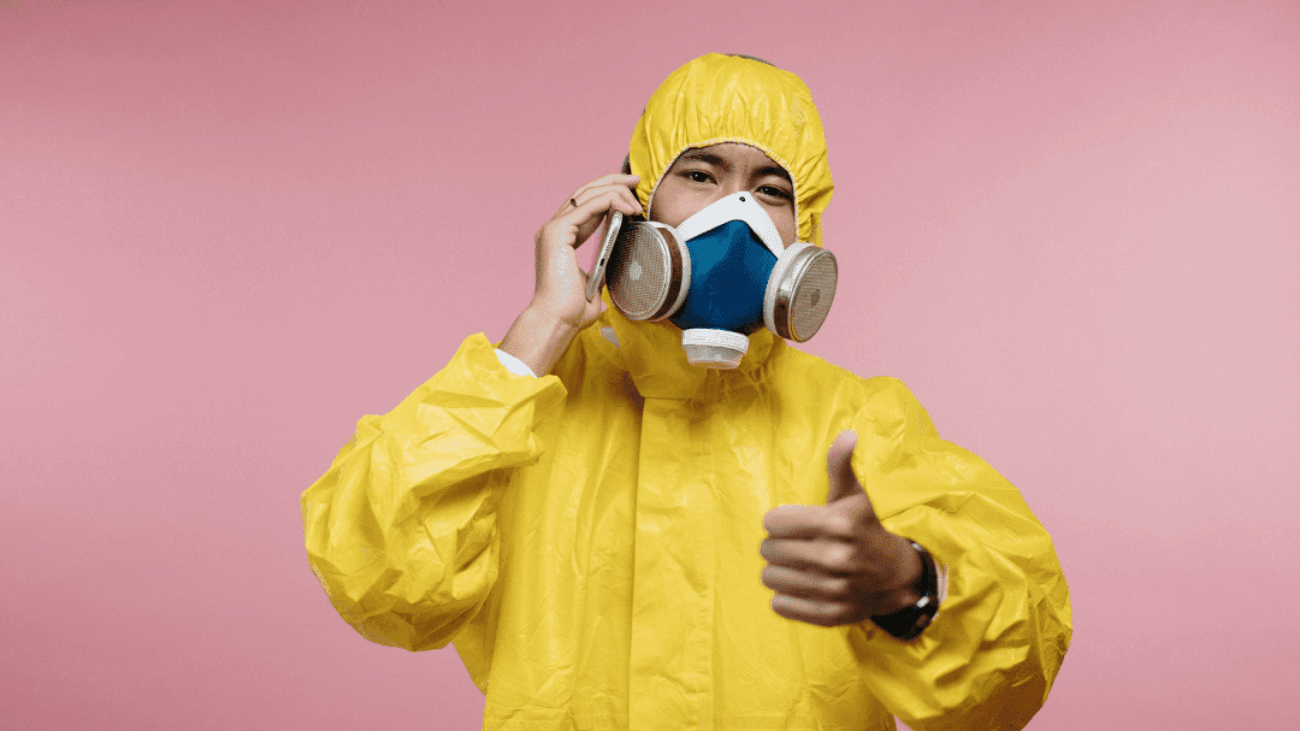
Man wearing yellow coveralls and respirator against pink background

Get Ready to Suit Up: Coveralls 101! 

Coveralls are the ultimate all-in-one outfit for ultimate protection. Made with breathable fabrics like cotton/polyester blends, they shield your legs, chest, shoulders, and arms from all the dirt, grime, and everything in between. With a variety of styles to choose from, coveralls are the go-to workwear for a wide range of professions. 

Ready for any job, basic coveralls are the jack-of-all-trades. Durable, comfortable, and versatile, they’re perfect for painters, construction workers, and those in the sanitation field. When it comes to disposable coveralls, Tyvek is industry standard. (2) Ideal for healthcare workers, lab technicians, and anyone dealing with hazardous materials, these coveralls are meant to be used once and then tossed away. 

Do you work with fire or flammable materials? Flame-resistant coveralls are your flame-defying heroes. Protecting electricians, oil field workers, and more, a common FR coveralls are made with the magic of Nomex, a fabric that’s inherently flame resistant. (3) Learn more about fire retardant/flame resistant workwear here.

If you need to beat the cold, insulated coveralls are your best bet. These bad boys keep you warm on winter construction sites and temperature-controlled warehouses. And let’s not forget about arc-resistant coveralls, perfect for electricians and others working with electrical equipment. Nomex is also arc resistent – keeping you safe from electrical shocks and arc flash damage. (1) 

When Mother Nature decides to rain on your parade, waterproof coveralls have got you covered. These rain-deflecting wonders keep you dry in sleet, rainstorms, and all those wet work environments. 

Hi-Vis coveralls are common on construction sites and oil refineries, these coveralls need to meet ANSI Class 3 visibility standards. Learn about HI-VIZ workwear here.

And probably the most recognizable jumpsuit, a mechanics jumpsuit. Snug-fitting, with extra pockets and tool loops, they keep you safe and stylish while working on those engines. 

So don’t sweat the small stuff, suit up in coveralls and tackle any job with ease! 

Browse our coveralls HERE.

  1. https://www.coverallchina.com/8-facts-about-nomex-coveralls-that-will-impress-you#:~:text=Nomex%20is%20an%20artificial%20fabric,a%20type%20of%20FR%20coverall
  1. https://www.dupont.com/personal-protection/tyvek-for-ppe.html 
  1. https://www.froutlet.com/the-different-types-of-jobs-that-require-coveralls 
Text for STOP Violation on yellow road sign with blur blue sky background

Top 10 OSHA Citations in 2022

Every year OSHA releases the top citations they cited. Citation cost companies money and put employees at great risks. Fall Protection is all over this list, and has been at the top of the list for TWELVE YEARS INA ROW! Fall Protection is one of the most important as a fall is one of the highest risk of debilitating injury or death.

A wall of hardhats that are different colors, white, yellow, blue and red

Head Protection: ANSI Standards

When it comes to head protection, ANSI and OSHA team up to keep you safe.

OSHA mandates that head protection meet ANSI standard Z89.1-2014.

This standard establishes type: where the helmet has been tested for impact. class: whether the helmet provides protection against electrical hazards. and the temperatures that the helmet can function at.

  • Type I: Provide impact protection from the top of the head. (1) 
  • Type II: If you want complete 360-degree protection, go for a Type II. They’re tested to protect against your top, sides, and front covered. (1) 
  • Class G: provides some electrical hazard protection, can withstand up to 2,200 volts of electrical charge. (1) 
  • Class E: provides the most electrical protection, can handle up to 20,000 volts of electrical charge. (1) 
  • Class C: No electrical protection, so be cautious! (1) 

And what about extreme temperatures? ANSI covers that as well.

  • Basic temperatures from -18°C to 49°C: No special markings required. (1)  
  • Low temperatures down to -30°C: Look for the “LT” label on the helmet. (1) 
  • High temperatures up to 60°C: Check for the “HT” label. (1) 

OSHA offers some best practices when it comes to head protection: (2)  

  • Always wear your headgear with the bill facing forward.
  • Make sure it fits properly and doesn’t cause any discomfort. 
  • Inspect your hardhat daily for any signs of damage. 
  • Stickers are okay if approved by the manufacturer, but they shouldn’t hide any defects. 
  • Keep your hardhat away from direct sunlight when not in use. 
  • If your hardhat is damaged or shows any defects, replace it immediately. 
  • Even if there’s no visible damage, any hardhat that has been impacted should be replaced. 
  • Liners can keep you cozy in chilly conditions while sweat bands and cooling towel inserts can help in the heat.

 Bonus tip: Many worksites use color-coded hardhats to easily identify different roles on site. Spot your manager, inspector, or engineer at a glance! 

To learn more about head protection, visit our related blog here.  

To learn more about hardhat accessories, click here!  

  1. https://ohsonline.com/Articles/2019/04/16/Choosing-a-Hard-Hat.aspx 
  1. https://www.natlenvtrainers.com/blog/article/osha-head-protection-guidelines